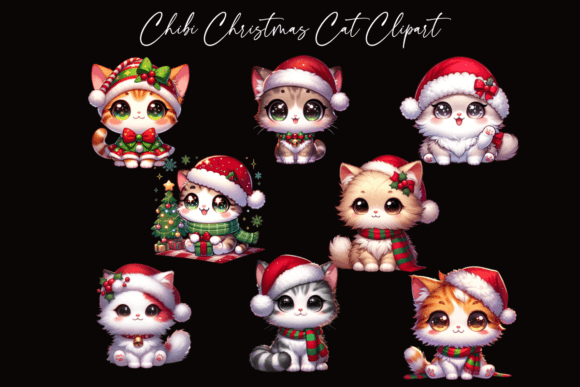
Cat in Christmas Hat Clipart Review
As a designer who has spent years turning digital files into tangible stitched goods, I approach every new asset with a mix of excitement and skepticism. The market is flooded with generic holiday graphics, but Cat in Christmas Hat Clipart caught my eye for a very specific reason: it feels like something that would actually work on fabric, not just a screen. When I first opened the file to evaluate it for a real-world project, I wasn't looking at pixel counts or vector paths; I was already imagining how it would look after thirty minutes of machine stitching on a customer's custom tote bag.
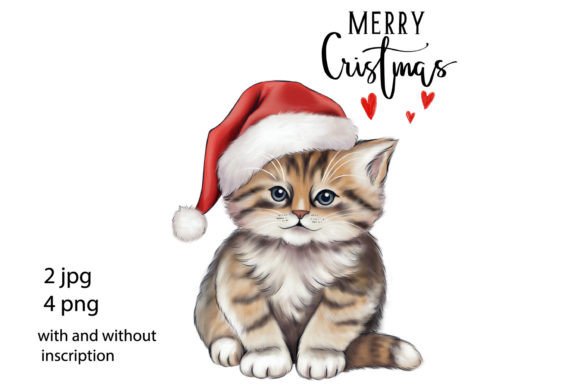
The immediate mood this design sets is cozy and whimsical. It isn't trying to be high art or overly complex. Instead, it offers a charming simplicity that fits perfectly into the current trend of handmade, personalized gifts. For an embroidery designer, the visual personality here is key. The shape is compact, the lines are clean, and the festive hat provides a natural focal point that draws the eye without overwhelming the surrounding space. It screams "holiday craft fair" rather than "corporate branding," which makes it ideal for small business owners and Etsy sellers looking to add seasonal flair to their inventory.
From Screen to Stitch: A Real Project Scenario
To truly understand the utility of Cat in Christmas Hat Clipart, let me walk you through a practical scenario I recently considered. Imagine you are preparing a limited run of holiday merchandise for your boutique shop. You decide to create a line of embroidered kitchen towels and matching aprons for the upcoming season. You need a design that is cute enough to appeal to cat lovers but simple enough to stitch quickly on a production line.
I tested this design concept mentally against a standard tea towel. The layout of the clipart suggests a central placement that works beautifully on a 9x9 inch hoop. The character stands out clearly against a solid background, whether it is a classic red flannel or a neutral linen. Unlike some intricate designs that lose detail when scaled down, this illustration maintains its charm even if you reduce it slightly for a smaller item, like a baby onesie or a cap front panel.
The potential for a finished product is high because the design bridges the gap between a digital download and a physical keepsake. Customers buying these items aren't just purchasing a towel; they are buying a sentiment. The imagery evokes warmth and nostalgia, which translates well into sales data for holiday-themed goods. If you are a creative entrepreneur looking to boost your December revenue, this asset offers a strong foundation for a cohesive collection of holiday embroidery products.
Performance on Different Fabrics and Garments
When evaluating any embroidery file, the fabric choice is critical. This design excels on stable fabrics like cotton twill, denim, and canvas. For instance, applying it to a heavy-duty tote bag creates a durable, professional-looking accent that can withstand frequent washing. The contrast provided by the hat details allows for vibrant thread colors that pop against darker backgrounds, making it a versatile choice for sweatshirt embroidery or dark-colored caps.
However, there are nuances to consider when working with stretchy materials. While the design is robust, placing it on a thin, highly elastic jersey knit requires careful stabilization. Without proper backing, the tension of the stitches could cause the fabric to pucker around the curves of the cat's face. For custom apparel made from soft knits, I recommend using a cut-away stabilizer to ensure the stitch density remains flat and smooth over time. The same caution applies to embroidered patches intended for application on stretchy sportswear; the base fabric must be rigid enough to support the satin stitch edges.
In terms of texture, this design plays well with woven surfaces. On a textured wool felt or a chunky knit sweater, the clean lines of the illustration help define the image against the rougher background. It avoids the trap of getting lost in the weave, which is a common issue with finer, more delicate line work. This reliability is what separates a good digital embroidery file from a frustrating one that requires endless hooping adjustments.
Where to Exercise Caution
Even a well-designed asset has limitations, and knowing where to draw the line is part of being a professional designer. Cat in Christmas Hat Clipart should be used carefully on very small hoop sizes. If you attempt to stitch this on a 4x4 inch hoop, you may find that the fine details of the whiskers or the trim on the hat become indistinguishable. In such cases, the design might look muddy rather than crisp, reducing the perceived value of the handmade product.
Similarly, avoid using this on extremely thin or sheer fabrics without significant reinforcement. The density required to hold the shape of the hat and the body of the cat could tear through lightweight material. Additionally, while the design is festive, be mindful of the color palette when selecting threads. If you use low-contrast thread colors, the definition of the features will vanish, especially on dark fabric. Always test your thread choices before committing to a full production run.
Another area to watch is curved surfaces like baseball caps. While the design is adaptable, the curvature of the cap can distort the proportions if not digitized specifically for that format. If you are using a pre-made machine embroidery design meant for flat surfaces, expect some stretching on the brim. For best results on caps, ensure the digitizing accounts for the curve, or stick to flat panels like those found on aprons and pillow covers.
Design Notes for Professional Results
Before you rush to start your next embroidery project, there are several technical steps you must take to guarantee success. First and foremost, always test the design on scrap fabric. This simple step reveals issues with thread tension, stabilizer selection, and stitch direction that are invisible on a computer screen. Check the thread color contrast thoroughly; sometimes a color that looks perfect digitally appears dull once stitched in cotton or rayon.
Review the stitch density closely. High-density areas can lead to needle deflection, causing the thread to bunch up or break. Confirm the recommended hoop size for your specific machine and ensure your stabilizer matches the weight of the fabric. If you plan to sell these items as part of a craft business or on an Etsy listing, inspecting small details under bright light is non-negotiable. You want your customers to see a polished finish that reflects well on your brand consistency.
For those creating printable mockups or digital product previews, remember that the final stitched look often differs from the digital preview. Use black and white mockups to check the silhouette and overall balance before adding color. Compare how the design looks on both light and dark backgrounds to ensure versatility. Finally, confirm licensing terms explicitly. Whether you are selling finished goods or offering this as a design asset to others, understanding the commercial rights is essential to protect your small shop product line.
In conclusion, Cat in Christmas Hat Clipart is a solid addition to any designer's library for the holiday season. It balances charm with technical feasibility, making it suitable for everything from nursery decor to boutique branding. By approaching it with the right preparation and attention to detail, you can transform a simple illustration into a cherished personalized gift that customers will love.