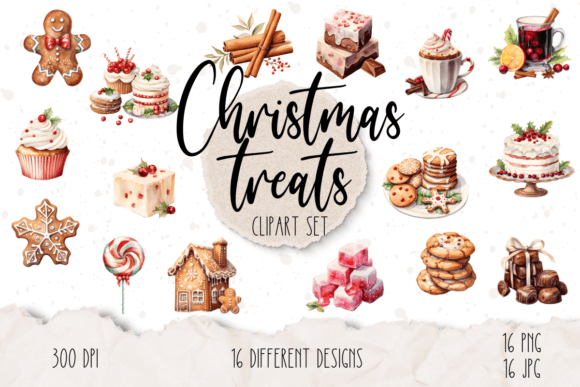
Christmas Treats Clipart Review for Real Embroidery
As a designer who has spent years stitching through everything from delicate baby rompers to heavy-duty workwear, I know that the difference between a finished product that feels professional and one that looks amateurish often comes down to the source file. When I first laid eyes on Christmas Treats Clipart, my initial reaction wasn't about the festive cheer it promised, but rather how those shapes would translate into thread. This isn't just a collection of illustrations; it is a potential asset for your holiday inventory, provided you understand its limitations and strengths before hitting the start button on your machine.
The First Stitch: Visual Personality and Mood
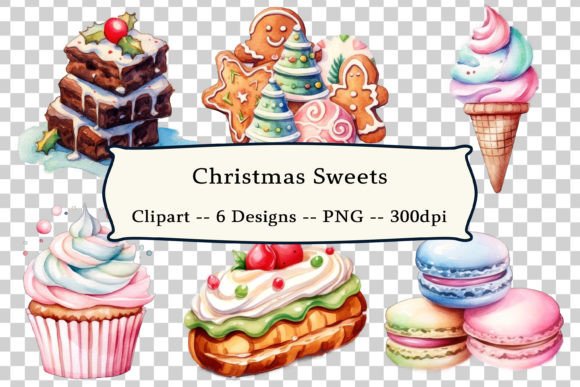
The moment you open the file, the mood is immediately set. The design exudes a cozy, homemade warmth that is perfect for the season. Unlike some digital assets that feel too rigid or corporate, this piece carries a playful energy. It suggests sugar cookies, gingerbread men, or perhaps a whimsical cupcake stack. For an embroidery project, this visual personality is crucial because it dictates the end-user's emotional connection to the item. A customer buying a custom embroidered tote bag or a personalized gift wants to feel that same sense of nostalgia and comfort that the image conveys.
In terms of layout, the design appears balanced without being overly complex. This is a relief for any embroiderer who knows that intricate details can sometimes get lost in the fabric weave. The shapes are distinct enough to be recognized even when rendered in satin stitch, which is vital for maintaining the integrity of the design. If you are looking to create something that stands out on a shelf at a craft fair or catches the eye in an Etsy listing, this clipart offers the right amount of charm without overwhelming the viewer with noise.
Real-World Application: From Digital File to Finished Product
Let me take you through a scenario where I recently considered using Christmas Treats Clipart. I was preparing a batch of custom holiday gifts for a local boutique client who wanted unique aprons for their kitchen staff. The goal was to add a touch of seasonal spirit without making the garment look like a novelty store item. The design's clean lines made it an ideal candidate for the chest area of these aprons. However, I knew I had to be careful with the thread colors. Using bright, contrasting threads against a dark denim background would make the treats pop, whereas matching tones might cause the details to vanish.
This type of illustration also shines on smaller items. Imagine applying this design to a baby onesie for a holiday photo prop. The soft curves of the treats would translate beautifully onto the gentle fabric of a cotton onesie, creating a keepsake that parents will cherish. Similarly, for small business owners selling handmade merchandise, this design fits perfectly on patch badges for denim jackets or as a decorative accent on a pillow cover. The versatility here is significant because it bridges the gap between simple hobbyist projects and high-end commercial goods.
For Etsy sellers specifically, the quality of the embroidery directly impacts perceived value. A well-executed machine embroidery design signals to the buyer that the creator cares about detail. If you use Christmas Treats Clipart to decorate a set of tea towels, the resulting texture adds a tactile element that flat prints simply cannot match. Customers are willing to pay a premium for that handcrafted feel, especially during the holidays when people are looking for unique, thoughtful presents.
Navigating Challenges: Where to Be Careful
While the design is promising, no single file is a magic bullet for every situation. As an experienced reviewer, I must point out where caution is necessary. If you plan to use this on a curved surface like a baseball cap, you need to evaluate the density of the stitches. Tight fill stitches on a curved brim can sometimes pull the fabric, causing distortion that ruins the shape of the treats. In such cases, testing on scrap material is non-negotiable.
Textured fabrics present another hurdle. If you are working with a chunky knit sweater or a rough burlap sack, the fine details of the clipart might get swallowed by the weave. Thin fabrics, such as lightweight polyester blends often used for athletic wear, require a robust stabilizer system to prevent puckering. Without proper support, the tension of the satin stitch could warp the garment, making the final product look unprofessional.
Dense stitch areas are also a concern if you are aiming for a very small hoop size. If the design includes tiny lettering or extremely fine lines, reducing the scale too much can result in a muddy mess where individual threads blend together. Furthermore, for products that will undergo frequent washing, like kitchen towels or daily wear apparel, you must ensure the stitch density is sufficient to withstand friction. Loose running stitches might fray over time, diminishing the longevity of your embroidered patch or tote bag design.
Design Notes for the Practical Creator
To ensure your embroidery project succeeds, there are several technical steps you should take before committing to a full production run. First, always test the design on a scrap of the exact fabric you intend to use. This allows you to see how the thread colors interact with the material under your specific lighting conditions. What looks vibrant on a screen might appear dull on actual cloth.
Review the stitch density carefully. High density provides durability but can make the fabric stiff, while low density saves time but may lack definition. If you are unsure about the file specifications, check the metadata or contact the provider to confirm the recommended hoop size and stabilizer type. You should also inspect the design in black and white mockups to verify that the contrast holds up without relying on color alone.
Another critical consideration is licensing. Before you start selling finished items featuring Christmas Treats Clipart or offering them as part of a commercial embroidery service, you must confirm the terms of use. Some files are intended for personal use only, while others allow for limited commercial sales. Ignoring this can lead to legal issues and damage your reputation as a creative entrepreneur.
Final Verdict on Value and Appeal
Ultimately, Christmas Treats Clipart offers a strong foundation for holiday-themed design assets. Its ability to convey warmth and festivity makes it a valuable addition to any designer's library. Whether you are creating custom apparel, baby embroidery pieces, or digital product previews for your shop, this illustration has the potential to elevate your brand consistency. It strikes a balance between simplicity and character that resonates with buyers looking for authentic, handmade touches.
By approaching the digitization process with care—selecting the right threads, using appropriate stabilizers, and understanding the fabric constraints—you can turn this digital file into a stunning finished product. For craft business owners and small shop product makers, the investment in quality execution pays off in customer trust and repeat business. Just remember that the best designs are not just about what they look like on a computer, but how they perform in the hands of the maker and on the body of the wearer.